
Navigating Tanzania's Water Landscape: A Local Perspective
Tanzania is a country of contrasts. From the bustling coastal metropolis of Dar es Salaam to the arid plains of Dodoma, from the fertile slopes of Mount Kilimanjaro to the shores of Lake Victoria—each region presents unique water challenges that require deep local understanding and tailored solutions.
At Kilitek Africa, we've spent years studying Tanzania's water landscape. We understand that what works in coastal Dar es Salaam won't work in inland Arusha. That's why our approach is always local first, technology second.
Dar es Salaam: The Industrial Water Challenge
As Tanzania's commercial capital, Dar es Salaam is home to over 70% of the country's industries. This rapid industrialization has created a complex water challenge:

The Coastal Advantage and Challenge
Dar es Salaam's coastal location offers access to seawater for desalination, but it also means:
- High salinity in groundwater due to saltwater intrusion
- Industrial pollution affecting coastal waters
- High demand from growing population and industries
- Infrastructure strain on aging municipal systems
We've helped numerous Dar es Salaam businesses solve these challenges. A textile factory we worked with was facing:
- Inconsistent municipal water supply causing production delays
- High water costs eating into profit margins
- Discharge compliance issues threatening operations
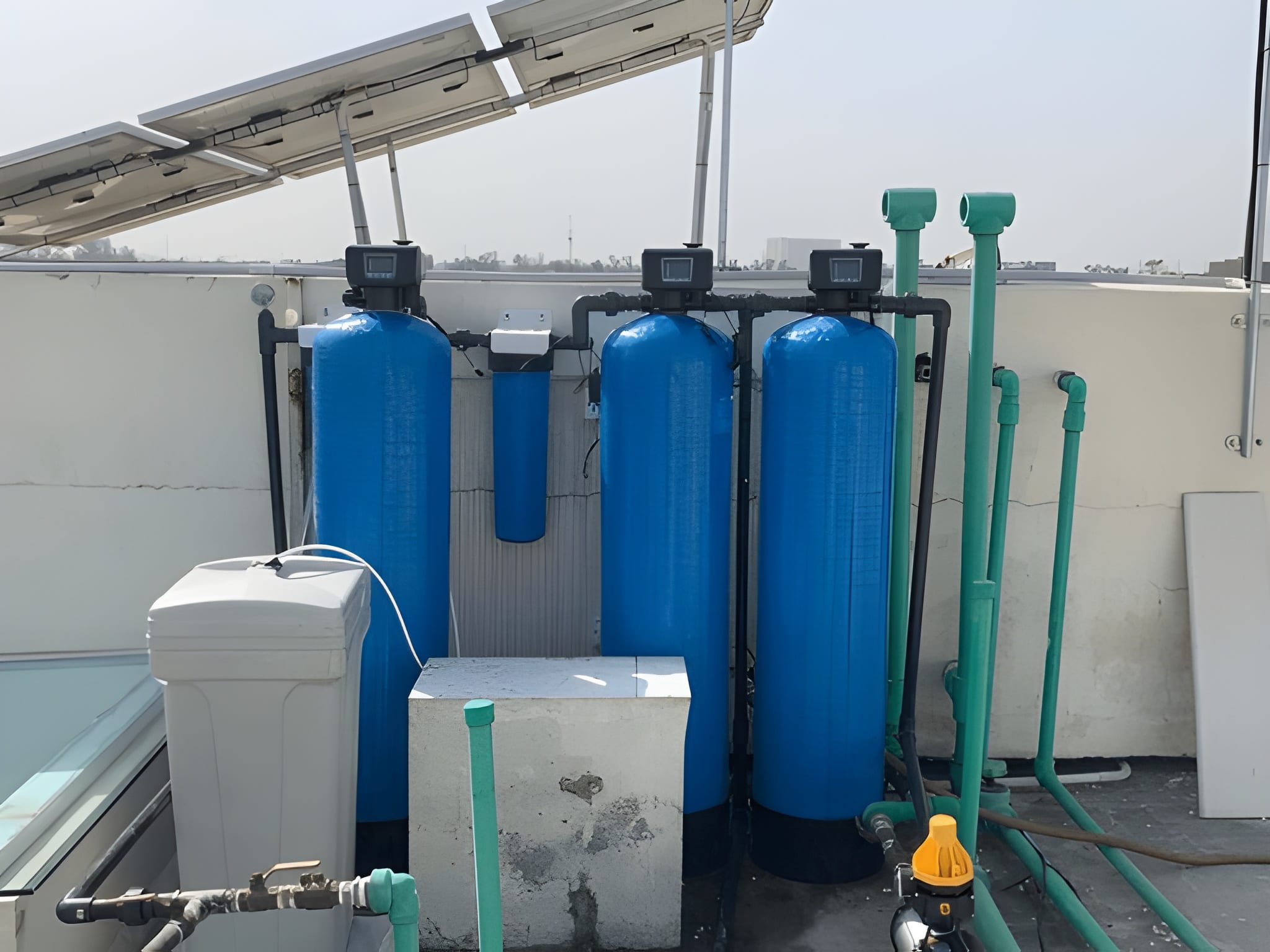
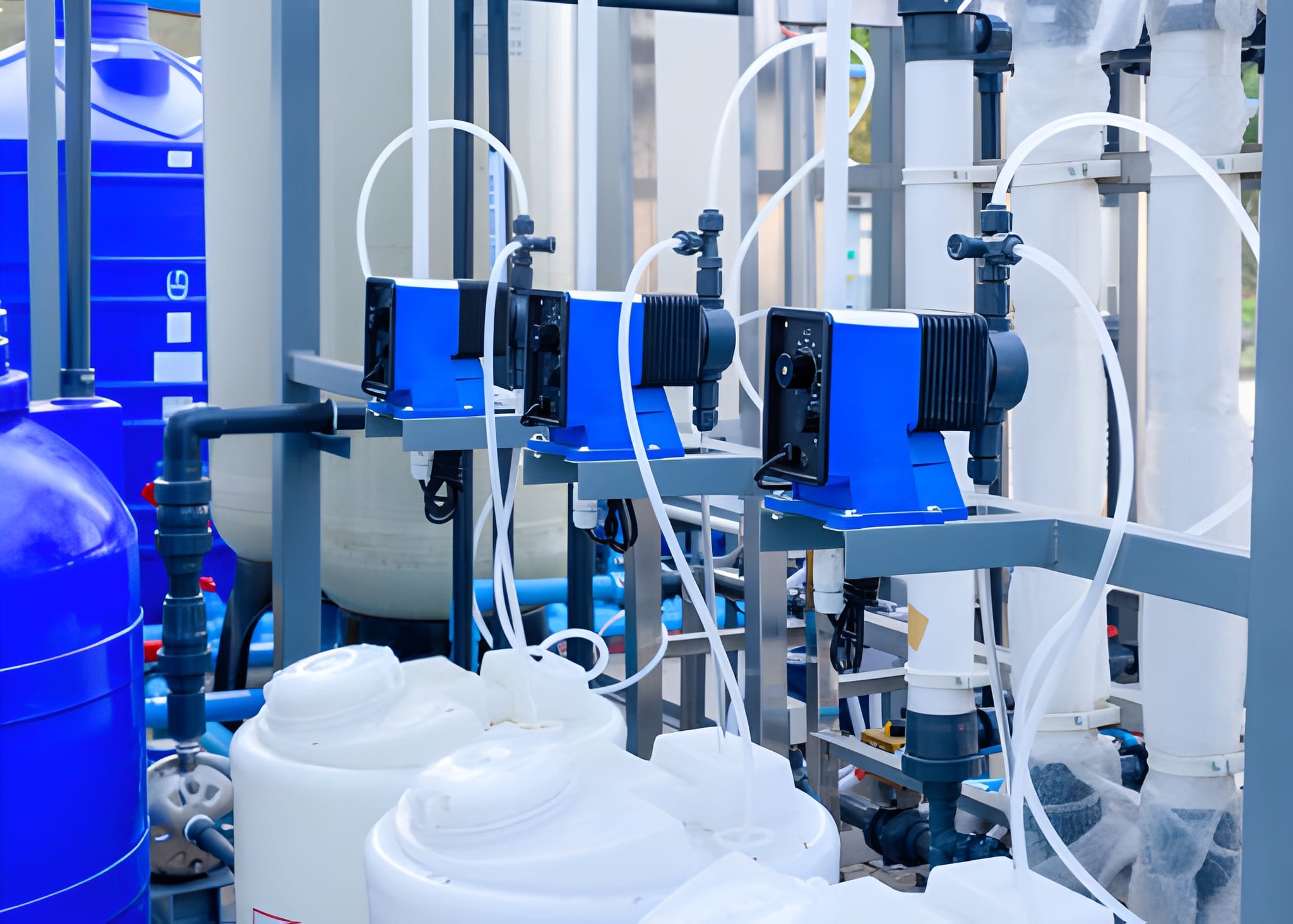
Our solution: A comprehensive system combining borehole water extraction, RO treatment, and wastewater recycling. Result: 100% water independence, 20% cost reduction, and zero compliance issues.
Rural Tanzania: The Access Challenge
While Dar es Salaam grapples with industrial water quality, rural Tanzania faces a different challenge: access. Over 40% of rural Tanzanians lack reliable access to clean water.
The Dry Season Crisis
During dry seasons, many rural communities face severe water shortages. Traditional water sources—rivers, streams, and shallow wells—dry up, forcing communities to:
- Walk kilometers to find water
- Rely on contaminated sources
- Reduce water consumption, affecting hygiene and health
- Abandon agricultural activities
Our Rural Solutions
We've implemented solar-powered borehole systems in rural communities that provide:
- Year-round water access from deep aquifers unaffected by seasonal changes
- Zero operational costs through solar power
- Community ownership through training and local management
- Multi-purpose use for drinking, irrigation, and livestock
In one village in the Manyara region, our borehole project transformed a community of 800 people. Before: Women spent 4 hours daily fetching water. After: Taps in every compound, children attending school regularly, and a thriving vegetable garden supporting local economy.
Regulatory Landscape: Navigating NEMC Standards
Tanzania's National Environment Management Council (NEMC) has established strict water quality and discharge standards. Understanding these regulations is crucial for any water treatment project.
Key Regulatory Requirements
- Discharge Permits: Required for any industrial wastewater discharge
- Water Quality Standards: Specific limits for various parameters (BOD, COD, TSS, heavy metals)
- Monitoring Requirements: Regular testing and reporting obligations
- Environmental Impact Assessments: Required for large-scale projects
Our deep understanding of Tanzanian regulations ensures that every system we design meets or exceeds NEMC standards. We don't just build systems—we ensure long-term compliance through proper design, operation, and documentation.
The Kilitek Advantage: Local Knowledge, Global Technology
What sets Kilitek apart is our unique combination of:
- Local Expertise: Understanding Tanzania's water sources, regulations, and cultural context
- Global Technology: Access to world-class water treatment technologies
- Proven Track Record: Successful projects across all regions of Tanzania
- 24/7 Support: Local team always available for support and maintenance
Looking Ahead: Tanzania's Water Future
As Tanzania continues to develop, water management will be critical for sustainable growth. Climate change, population growth, and industrialization will increase pressure on water resources. But with the right solutions, Tanzania can build a water-secure future.
Kilitek is committed to being part of this transformation, providing solutions that are:
- Sustainable: Long-term solutions that don't deplete resources
- Affordable: Cost-effective systems that deliver value
- Reliable: Systems that work consistently, year after year
- Scalable: Solutions that grow with your needs
Whether you're in Dar es Salaam or rural Manyara, facing industrial challenges or community needs—Kilitek understands Tanzania's water landscape and has the solutions to help you succeed.
Kilitek Team
Expert insights on water treatment solutions, industry best practices, and sustainable water management across East Africa.
View All Articles